Choosing the right solar mounting system can significantly affect the performance of your solar installation. Expert Anna Rodriguez, a solar energy consultant, emphasizes, "The foundation of solar efficiency lies in selecting suitable mounting solutions." Her insight highlights how crucial it is to understand key factors when navigating options.
Solar mounting systems vary widely, and the right choice can seem overwhelming. Consider roofs with different materials or ground installations. Specific systems work better in certain conditions, and not all installations are the same. Addressing various factors can prevent future complications, ensuring efficiency and durability. Remember, a poorly chosen mounting system can lead to performance issues down the line.
Understanding how to choose the right solar mounting system requires careful evaluation. Price, durability, and local regulations matter significantly. Seek advice and do thorough research to avoid common pitfalls. This decision is essential for optimizing your solar power's return on investment.
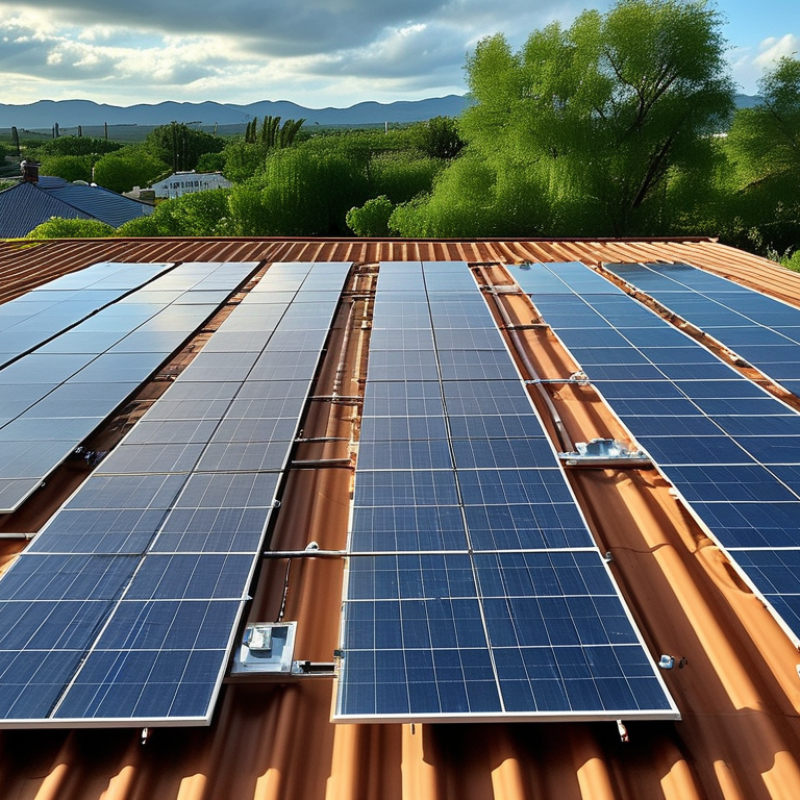
Understanding Different Types of Solar Mounting Systems Available Today
Selecting a suitable solar mounting system is critical to maximizing solar performance. Various types exist today.
Ground-mounted systems are often flexible and easier to install. They can accommodate larger arrays because of more available space. Reports show these systems can increase energy output by up to 25%.
However, ground mounts require land, which may not be affordable in urban areas.
Roof-mounted systems are another popular option. They integrate directly with existing structures. These systems tend to have lower installation costs. Yet, roof conditions can pose challenges. Some roofs may not support adequate weight or have shading issues. According to a study by the National Renewable Energy Laboratory, improper installation on unsuitable roofs can lead to a 15% reduction in energy production.
Pole-mounted systems are relatively flexible. They offer easy adjustment to optimize sun exposure. Unfortunately, they can provide less stability in severe weather conditions. Each system presents unique advantages and limitations. It is essential to assess each option based on site conditions, budget constraints, and energy needs before making a choice.
Key Factors to Consider for Site Assessment Before Installation
When planning a solar installation, site assessment is crucial. One key factor to consider is the roof's orientation. South-facing roofs generally receive the most sunlight, maximizing energy production. However, not all homes have ideal orientations. If your roof has multiple angles, evaluate each one for optimal panel placement.
Another important aspect is shading analysis. Nearby trees and buildings can cast shadows on solar panels. Over time, even a small amount of shading can significantly reduce energy output. Use tools or apps to measure how shadows might affect your installation throughout the day and year, as this could influence your energy savings.
Also, think about your roof's structural integrity. Ensure that it can support the mounting system of your solar panels. Inspect for signs of wear or damage. In some cases, additional roof repairs may be necessary before installation. Understanding these elements fosters a more successful solar project, ultimately leading to better energy efficiency and savings.
Evaluating Structural Integrity: Ensuring Compatibility with Roof Type
Evaluating the structural integrity of your roof is essential when choosing a solar mounting system. Many homeowners overlook this critical aspect, often leading to poor installation choices. A study from the National Renewable Energy Laboratory highlights that nearly 50% of solar system failures are linked to inadequate structural assessments. This statistic underlines the importance of compatibility between the roof type and the mounting system.
Different roofing materials require specific mounting solutions. For instance, a flat roof needs a ballasted mounting system, while sloped roofs may benefit from penetrative mounts. Understanding your roof's design is crucial. The Solar Energy Industries Association reports that even slight incompatibilities can reduce system performance by up to 20%. Therefore, a thorough inspection is necessary to ensure the mounting system can handle environmental stresses, such as wind or snow load.
Before installation, involve a structural engineer if necessary. This may seem costly upfront, but it’s a small investment compared to potential repairs from improper installations. Additionally, having the right documentation and maintenance records can greatly enhance the longevity of your solar system. Engaging with certified professionals can provide peace of mind, knowing your system is safe and effective.
Analyzing Cost-Effectiveness: Long-Term Savings vs. Initial Investment
When selecting a solar mounting system, cost-effectiveness is crucial. The initial investment can be significant, often ranging from $1,000 to $3,000 for residential setups. However, the long-term savings can more than justify this cost. According to the National Renewable Energy Laboratory (NREL), homeowners can save between $10,000 to $30,000 on energy bills over 20 years, depending on their energy consumption and local energy prices.
Consider the type of mounting system you choose. Fixed mounts are generally cheaper but may not offer optimal solar gain over time. Tracking systems, though pricier, can increase energy capture by up to 25%. Assess the local weather patterns and your property’s exposure to sunlight as these factors significantly influence the system's performance.
Long-term maintenance costs should also factor into your decision. While some systems require minimal upkeep, others may need frequent adjustments. Understanding these nuanced details will aid in making a more informed choice. Investing in quality can reduce future expenses, ensuring that your initial costs lead to sustainable savings. Consider seeking a professional assessment to maximize your ROI and ensure you make a thoughtful choice. Reflecting on these aspects can lead to better outcomes.
Cost-Effectiveness of Solar Mounting Systems
Reviewing Industry Standards and Regulations for Solar Installations
When selecting a solar mounting system, understanding industry standards and regulations is essential. These guidelines vary based on location and system type. The National Electrical Code (NEC) in the United States, for example, sets safety and installation standards that ensure the reliability of solar energy systems. According to the Solar Energy Industries Association, adherence to these codes contributes to a 20% increase in system performance efficiency.
Local building codes also play a crucial role. They govern structural requirements for solar installations. Neglecting these regulations can lead to compliance issues and costly retrofits. A report from the International Code Council indicates that over 30% of solar installations have faced delays due to code violations. It's vital to consult with professionals familiar with the logistics in your area.
Moreover, each state has its regulations regarding permits and inspections. For instance, some states may require additional documentation. The American Solar Energy Society warns that overlooking these details can compromise the installation's integrity. Hence, investing time in reviewing local regulations can save significant resources and enhance the long-term success of solar projects. Understanding these industry standards is not just about compliance; it’s about investing in a reliable and efficient energy future.
Top 5 Tips to Choose the Right Solar Mounting System
| Tip |
Description |
Key Considerations |
| 1. Assess Your Roof Type |
Understand the material and structure of your roof to ensure compatibility with various mounting systems. |
Material strength, angle of slope, and roof condition. |
| 2. Evaluate Local Weather Conditions |
Consider wind and snow loads in your area to determine the durability requirements of the mounting system. |
Local climate data, historical weather patterns, and maximum expected loads. |
| 3. Check Building Codes and Regulations |
Understand the local regulations to ensure that the mounting system complies with legal standards. |
Zoning laws, permitting requirements, and safety standards. |
| 4. Consider the System's Lifespan |
Choose a mounting system known for durability and a long lifecycle to maximize your investment. |
Material quality, warranty options, and maintenance needs. |
| 5. Assess Installation Complexity |
Understand how easy it is to install the system which can influence labor costs and project timeline. |
Installation time, required tools, and expertise level. |
FAQS
: Common types include ground-mounted, roof-mounted, and pole-mounted systems. Each has strengths and weaknesses.
They are flexible and can increase energy output by up to 25%. However, they require significant land area.
Roof conditions may limit weight support and create shading issues, affecting energy production.
Initial investments range from $1,000 to $3,000 for residential systems. Long-term savings can offset this cost.
Fixed mounts are cheaper but may not optimize energy capture. Tracking systems can increase capture by up to 25%.
Weather and sunlight exposure critically affect how effective a solar system will be at your location.
Some systems need minimal upkeep, while others require frequent adjustments. This impacts overall cost-effectiveness.
Yes, a professional can help assess your site conditions and maximize your return on investment.
Yes, investing in quality can reduce future expenses and ensure initial costs yield sustainable savings.
Improper installation can cause a reduction in energy production, negatively affecting overall efficiency and cost savings.
Conclusion
Choosing the right solar mounting system is crucial for maximizing the efficiency and durability of your solar installation. To start, it's essential to understand the various types of solar mounting systems available today, which include roof-mounted, ground-mounted, and pole-mounted options. Each type has its own benefits and suitability depending on the site conditions and installation requirements.
Before making a decision, key factors such as a thorough site assessment, the structural integrity of the roof, and compatibility with local regulations must be evaluated. Additionally, analyzing cost-effectiveness by comparing long-term savings against initial investments will help ensure that you make a financially sound decision. By reviewing these elements, you can confidently determine how to choose the right solar mounting system for your needs.
 Zylo Solar
