Zylo Solar Zylo Solar

7 Best Ways to Protect Solar Panels from Hail Damage?

Time:2026-10-08 Author:Sienna
0%

Hail can turn a quiet afternoon into a costly solar repair. Ice stones strike glass at surprising speed, leaving chips, hairline cracks, or hidden cell damage. A panel may still produce power after impact, so visible performance is not proof of safety. That uncertainty makes prevention worth planning before dark clouds gather.

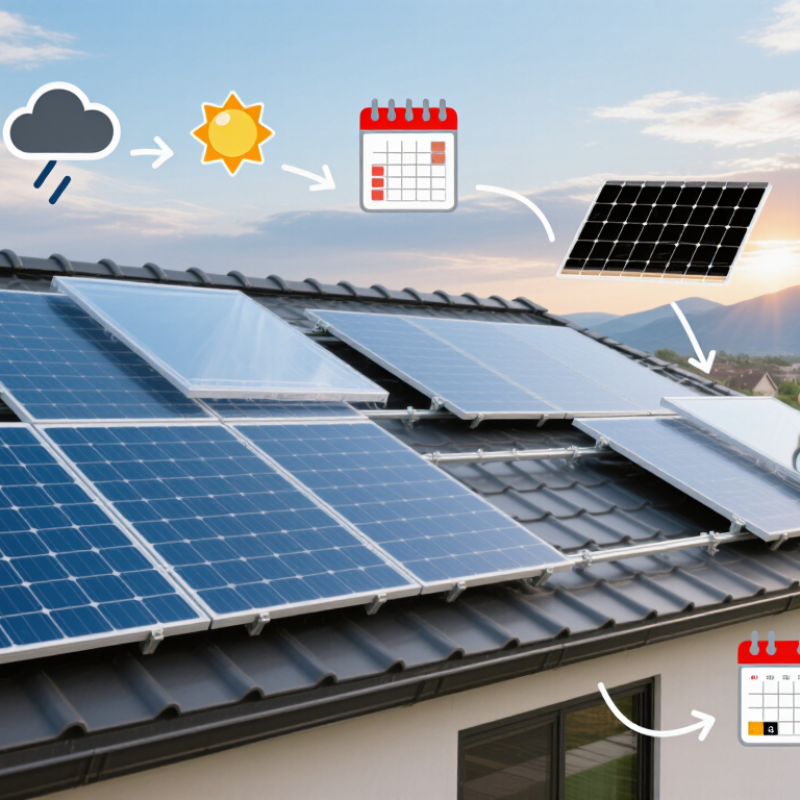
This guide explains How to protect solar panels from hail damage using practical, layered measures. It considers hail-rated modules, protective covers, seasonal weather monitoring, secure mounting, and sensible inspection routines. Experienced installers often start with the panel’s certification, roof exposure, tilt, and local storm history. Those details matter more than a generic promise of “hail-proof” equipment. During severe weather, covers must be installed correctly and removed promptly, because loose materials can create new hazards. Small mistakes matter.

No single method eliminates risk. Even strong tempered glass can fail under unusually large hail or repeated impacts. A careful plan balances protection, access, warranty conditions, maintenance costs, and the safety of anyone working at height. After a storm, look for shattered glass, bent frames, loose wiring, and sudden output changes. Do not touch damaged equipment without qualified help. A camera zoom, inverter data, and a professional inspection can reveal problems that casual viewing misses. This article compares seven realistic approaches, including where each method helps, where it falls short, and when added protection may not make financial sense. That judgment is personal, and sometimes uncomfortable.
7 Best Ways to Protect Solar Panels from Hail Damage?

Understand How Hail Can Damage Solar Panels

Hail can damage solar panels in seconds. Ice stones may chip glass, crack cells, or create hidden microcracks. These defects can reduce output gradually, even when the panel looks normal. NOAA’s Storm Prediction Center recorded 6,962 hail reports across the United States in 2023. The risk is not rare in exposed regions.

The IEC 61215 qualification test strikes modules with 25-millimeter ice balls at 23 meters per second. Real storms can exceed these conditions. PVEL’s 2024 PV Module Reliability Scorecard also highlights hail as a major reliability concern and evaluates stronger stress-testing methods. Homeowners should check the panel warranty, choose certified modules, and ask installers about local hail exposure. A steep mounting angle may help ice slide away. Protective netting can reduce impact energy, but poor installation may create wind risks. Temporary removal is rarely practical. No protection plan is flawless.

Tips: Keep trees trimmed and inspect panels after every severe storm. Look for cloudy cells, glass stars, loose frames, and sudden production losses. Use monitoring data to compare today’s output with similar weather days. Arrange a qualified inspection before cleaning or repairing damaged equipment. Photograph the roof, panels, and inverter immediately. This evidence can support maintenance decisions. Do not assume clear glass means no damage. Microcracks often remain invisible, and that is where my earlier judgment would be too optimistic.

Choose Hail-Resistant Panels and Protective Glass

Choose solar panels designed for severe weather, not simply the cheapest models available. Hail-resistant panels usually use tempered glass and reinforced frames. Check their published hail-test results before buying. Standards such as IEC 61215 can indicate controlled impact testing, but ratings still have limits. A panel may survive laboratory ice balls yet suffer damage from larger hail at a sharp angle.

Look closely at the protective glass. Thicker glass can improve impact resistance, but it may increase panel weight and roof stress. A strong frame matters too. Small gaps around the glass can allow moisture to enter after repeated impacts. Field inspections often find tiny cracks that are invisible from the ground. Use a qualified installer to check the roof structure and mounting system.

Some owners add removable hail guards or transparent protective covers. These can reduce direct impact, but poor airflow may increase panel temperature and lower energy output. Dust can also collect between the cover and the glass. That part is easy to overlook. I once assumed that extra protection was always better; it is not. Confirm compatibility with the panel warranty, roof design, and local weather conditions before installation. Avoid improvised sheets or permanent covers that block sunlight. Select materials tested for outdoor ultraviolet exposure and repeated temperature changes.

Optimize Panel Angles and Strengthen the Mounting System

Protecting solar panels from hail starts with geometry, not guesswork. A steeper tilt can reduce direct impact on the glass, especially during wind-driven storms. However, the best angle depends on latitude, roof shape, wind exposure, and annual energy goals. The International Electrotechnical Commission’s IEC 61215 qualification test uses 25-millimeter ice balls launched at 23 meters per second. Real storms can exceed that test condition.

Aim for a stable, site-specific angle rather than simply choosing the steepest position. A field inspection should check nearby trees, roof edges, and likely hail direction. Small details matter. The mounting system also needs stronger attention. Use continuous rails, properly sized clamps, and fasteners rated for local wind and snow loads. Follow the manufacturer’s torque values; overtightened clamps can stress the frame, while loose hardware may allow vibration. The National Renewable Energy Laboratory’s PV reliability guidance repeatedly identifies installation quality and mechanical loading as major factors in long-term performance.

The Insurance Institute for Business & Home Safety reports that hail around 50 millimeters can cause serious roof damage. That comparison is useful, but panels are not roofs. Add diagonal bracing where the structure flexes, and ask a qualified engineer to verify uplift resistance. I have seen panels survive hail while loose brackets failed first. That was a mounting problem, not a glass problem. Angle optimization helps, but it cannot compensate for weak rails, poor fastener spacing, or an unstable roof.

7 Best Ways to Protect Solar Panels from Hail Damage? - Optimize Panel Angles and Strengthen the Mounting System
No. Protection Method Recommended Action Key Technical Considerations Primary Benefit Maintenance or Inspection Guidance
1 Optimize the Panel Tilt Angle Use a tilt appropriate for the site and roof structure rather than installing panels completely flat whenever the design allows. A steeper surface can reduce the direct impact angle of falling hail and may help hailstones slide off. The final angle must account for wind loads, roof geometry, latitude, drainage, and structural limits. Reduces the likelihood of a direct, perpendicular impact and improves water runoff. Confirm that the racking remains secure after severe storms and that no roof movement has altered the original angle.
2 Choose Certified, Impact-Resistant Modules Select photovoltaic modules that have passed recognized hail-impact testing and are suitable for the project’s local weather conditions. IEC 61215 includes a hail test using ice balls, but certification is not a guarantee against every hailstorm. Review the module’s test conditions and product documentation before installation. Provides a tested baseline of resistance to mechanical impact. Keep the module documentation and inspect for cracked glass, delamination, or damaged frames after hail events.
3 Strengthen the Mounting and Racking System Use a professionally engineered racking system with correctly sized rails, clamps, fasteners, and roof attachments. Mounting components must be compatible with the roof and designed for local wind, snow, and seismic conditions. Follow the manufacturer’s torque requirements and applicable building codes. Helps prevent panel movement, frame distortion, and attachment failure during severe weather. Check visible fasteners, clamps, flashing, and rail alignment during scheduled system inspections.
4 Install Protective Hail Screens or Shutters Use a purpose-designed removable screen or shutter system when severe hail is forecast and when the system can be deployed safely. The cover must not rest directly on the glass, obstruct ventilation for long periods, create excessive wind uplift, or interfere with emergency access and electrical equipment. Creates a physical barrier between hailstones and the module surface. Inspect the protection device for tears, loose fittings, and water accumulation before storage and before each use.
5 Use Weather Monitoring and Safe Shutdown Procedures Monitor reliable severe-weather alerts and follow the system designer’s procedure for shutdown or protective-cover deployment. Remote monitoring can identify abnormal production after a storm, but it cannot prevent physical impact. Do not climb onto a roof or handle electrical equipment during dangerous weather. Improves preparation and helps identify storm-related performance changes quickly. Review system alerts after each major storm and arrange qualified electrical testing when output changes unexpectedly.
6 Maintain Clear Panel Drainage and Surroundings Remove branches, loose objects, and debris that could strike the panels or become airborne during high winds. Keep the drainage paths around the array clear, avoid placing objects on the modules, and control nearby vegetation that may contact the array. Reduces secondary impact hazards and helps prevent debris-related damage during hail and wind events. Inspect the array and nearby roof area seasonally and after strong winds, using safe ground-level checks where possible.
7 Perform Post-Storm Inspection and Testing Visually inspect the array after hail and arrange qualified testing if damage or abnormal energy production is observed. Look for shattered or chipped glass, frame dents, loose clamps, exposed wiring, hot spots, water ingress, and production losses. Cracks may be difficult to see without specialist testing. Detects hidden electrical and structural problems before they develop into safety hazards or larger failures. Do not touch damaged modules or wiring. Isolate the affected equipment only according to professional guidance and applicable safety procedures.

Note: No hail-protection method can guarantee that solar panels will remain undamaged in every storm. Panel selection, mounting design, installation, inspection, and repair should follow applicable electrical, structural, roofing, and safety requirements.

Use Protective Covers and Weather Monitoring Devices

Hail can crack photovoltaic glass, damage frames, and create hidden electrical faults. A purpose-built protective cover adds a physical barrier during severe weather. Choose padded, weather-resistant material with secure straps and a close fit. Loose fabric may flap against the panel and cause abrasion.

Do not improvise with blankets or plastic sheets. They can trap heat, tear easily, or scratch the surface.

Install covers before hail arrives, not during strong wind or lightning. Never climb onto wet panels or an unstable roof. A qualified technician should confirm safe installation for roof-mounted systems. Remove opaque covers after the threat passes, because trapped heat and blocked sunlight can reduce performance.

Weather monitoring devices provide valuable preparation time. A local weather station can measure wind, temperature, and rainfall near the array. Hail alerts and radar-based forecasts can identify approaching storms, but forecasts can change quickly.

Keep a manual check too. Weather apps are helpful, not perfect.

When a warning appears, inspect the covers, straps, and nearby branches from ground level. Secure loose outdoor objects before the storm develops.

Afterward, look for cracked glass, dents, loose wiring, or unusual output changes. Do not touch damaged electrical components. Arrange a professional inspection instead. Small damage is easy to overlook, especially under dust or low light. Taking dated photographs and recording performance readings can support maintenance decisions, although records cannot replace a proper electrical test.

Inspect Panels Regularly and Maintain Proper Insurance Coverage

Inspect Panels Regularly and Maintain Proper Insurance Coverage

Hail damage is often subtle. A panel may still produce power with cracked glass or damaged cells. I recommend checking the array after every severe storm, not only during annual maintenance. NOAA’s Storm Prediction Center recorded more than 5,000 hail reports in the United States during 2023. That exposure makes routine inspection practical, not excessive.

Look from the ground first. Search for star-shaped cracks, cloudy areas, loose frames, and small glass fragments near the array. Never walk on panels or climb onto a roof without proper training. A qualified technician can use thermal imaging and electrical testing to identify hidden damage. The National Renewable Energy Laboratory has documented that hail can create internal module damage before visible power losses appear. Keep dated photographs, production records, and inspection invoices. These details strengthen a claim.

Insurance coverage needs equal attention. The 2024 Solar Risk Assessment from kWh Analytics identifies hail as a major solar loss driver, especially in regions with frequent severe storms. Review whether your policy covers replacement labor, temporary power loss, mounting equipment, and debris removal. Ask about deductibles for named weather events. They can be surprisingly high. Coverage limits may also reflect the system’s original cost, not its current replacement cost. I would not assume every policy treats rooftop and ground-mounted systems alike. Request written clarification, then review it after upgrades or battery installation. No inspection is perfect. Still, consistent records and suitable coverage can prevent a damaged afternoon from becoming an expensive dispute.

7 Best Ways to Protect Solar Panels from Hail Damage

Inspect panels regularly and maintain proper insurance coverage. Hail diameter is based on commonly used U.S. weather-service size references; hail around 1 inch or larger can damage exposed property, including solar modules.

Protection takeaway: Schedule a visual inspection after storms, check for cracked glass or performance changes, document damage with photographs, and confirm that hail damage is covered by the solar-panel or property insurance policy.

FAQS

Can hail damage solar panels in only a few seconds?

Yes. Hail can chip glass, crack cells, or create hidden microcracks during one storm.

Can damaged panels still look normal?

Yes. Clear glass does not prove the cells are healthy. Microcracks may reduce output gradually.

How large are the ice balls used in standard impact testing?

A common qualification test uses 25-millimeter ice balls launched at 23 meters per second. Real storms may exceed those conditions.

What signs should homeowners check after severe hail?

Look for cloudy cells, star-shaped glass cracks, loose frames, and sudden production losses. Photograph everything promptly.

How can monitoring data reveal possible hail damage?

Compare today’s output with similar weather days. A sudden unexplained drop deserves professional inspection.

Can a steeper panel angle reduce hail impact?

A steeper angle may help ice slide away and reduce direct strikes. The best angle depends on wind, roof shape, latitude, and energy goals.

How can the mounting system be strengthened?

Use continuous rails, correctly sized clamps, and fasteners rated for local wind and snow loads. Follow specified torque values.

Can protective netting or temporary panel removal eliminate hail risk?

Protective netting may reduce impact energy, but poor installation can increase wind risks. Temporary removal is rarely practical. No plan is flawless.

What should homeowners ask before installing panels in hail-prone areas?

Ask about certified modules, warranty coverage, local hail exposure, mounting strength, and inspection procedures. I would not rely on appearance alone.

Conclusion

Protecting solar panels from hail starts with understanding how impact can damage their glass surface, cells, and frames. One of the most effective answers to “How to protect solar panels from hail damage” is to choose panels designed with hail-resistant materials and durable protective glass. Adjusting the panels to a suitable angle can help reduce direct impact, while a strong mounting system ensures they remain secure during severe weather. Reinforcing mounting points and checking fasteners can further improve stability.

Additional protection may come from temporary covers that are installed before a storm, along with weather monitoring devices that provide early warnings. Regular inspections are also important because small cracks or loose connections can become serious problems over time. After hailstorms, check for visible damage and arrange professional testing when necessary. Finally, maintaining suitable insurance coverage can help reduce the financial impact of unexpected repairs or replacement, making your solar investment more resilient in changing weather conditions.

Sienna

Sienna

Sienna is a skilled marketing professional with a deep expertise in our company’s core products and services. With a passion for innovation and detail, she plays a pivotal role in crafting insightful blog posts that not only highlight the unique features of our offerings but also provide valuable......