Zylo Solar
Solar panels quietly collect sunlight, dust, pollen, and bird droppings every day. Even a thin dusty film can reduce the light reaching the photovoltaic cells. How to maintain solar panels for maximum efficiency is therefore a practical question for every system owner. Good maintenance protects energy production, equipment life, and long-term savings.
This guide explains how to inspect, clean, and monitor solar panels safely. It focuses on visible dirt, shading, loose connections, inverter messages, and unusual output changes. Experienced installers recommend checking panels after severe weather and reviewing performance through the inverter app. A simple comparison with the same month last year can reveal problems early. Keep records.
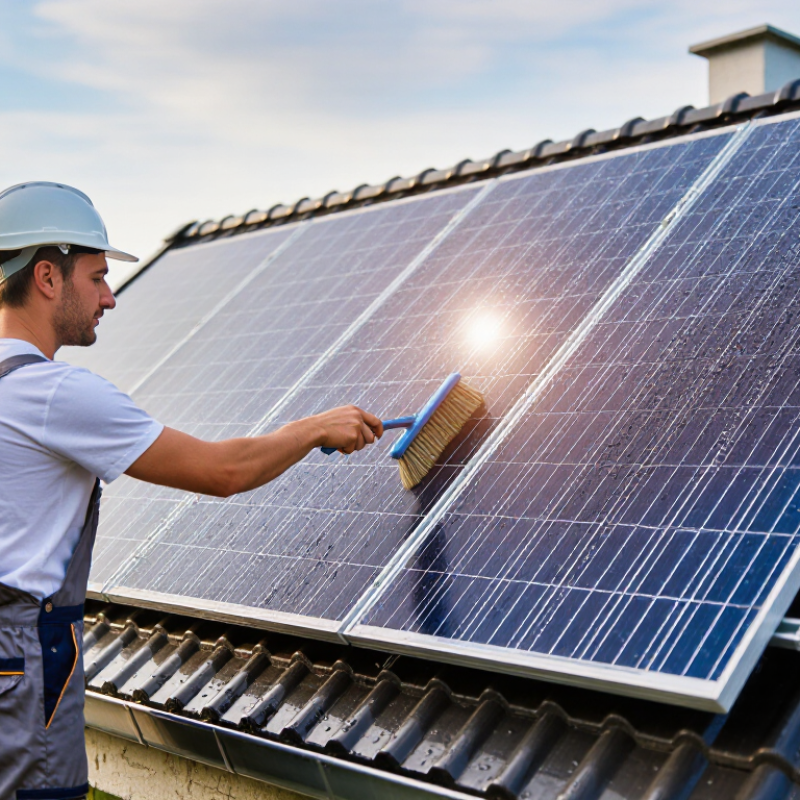
Use clean water and a soft brush when the manufacturer permits cleaning. Avoid abrasive tools, harsh chemicals, and stepping on the panels. Early morning is usually safer because cool glass dries more slowly and reduces streaking. However, not every panel needs frequent washing. Rain may remove light dust, while oily pollution needs closer attention. Local conditions matter.
I have learned that maintenance plans are rarely perfect. A clean surface cannot fix a shaded roof or failing inverter. Wiring should be left to a qualified professional, especially when insulation looks cracked or connections appear loose. Follow the manufacturer’s instructions and local safety requirements. Small checks can prevent expensive surprises. This approach combines practical observation, technical guidance, and cautious decision-making for dependable solar performance.
How to Maintain Solar Panels for Maximum Efficiency?
Solar Panel Maintenance: Purpose, Benefits, and Safety Basics
Solar panel maintenance is more than wiping the glass. Dust, pollen, bird droppings, and salt residue can block sunlight and reduce energy production. A clean surface helps panels convert available sunlight more consistently. In dry regions, monthly visual checks are practical. Inspect them again after heavy rain, strong winds, or hail. Look for cracked glass, loose cables, dark patches, or moisture near electrical parts. Small signs can become expensive faults.
Track your system’s production regularly. Compare current readings with similar weather from previous months. A steady decline may indicate dirt, shading, wiring problems, or an inverter issue. Use a soft brush, clean water, and a non-abrasive method when cleaning is safe. Avoid harsh chemicals and high-pressure spraying. I once assumed rain had cleaned everything, but stubborn dust remained along the panel edges. That mistake showed me why visual checks still matter.
Safety comes before efficiency. Do not walk on panels or work on a wet roof. Turn off the system according to its operating instructions before touching equipment. Solar panels can produce electricity whenever light reaches them, even during an apparent shutdown. Use stable ground access, suitable fall protection, and insulated tools. If cables are damaged or roof access feels unsafe, contact a qualified solar technician or electrician. Keep children away from the work area. A small shortcut can create a serious hazard.
Solar panels need regular inspection to maintain maximum efficiency. Check them in the early morning, when the surface is cool and sunlight is mild. Look for dust, mud, leaves, bird droppings, hairline cracks, and cloudy areas under the glass. These details may seem minor, but they can reduce energy production. Compare the current output with older records. A steady decline may indicate dirt, shading, or an electrical fault.
Inspect the frame, mounting points, and visible cables for rust, looseness, chewing damage, or discoloration. Never touch exposed wires or cracked panels. Isolate the system and contact a qualified technician instead. In practical maintenance work, visual checks often reveal problems before monitoring software does. Still, a clean panel is not always a healthy panel. Internal damage can remain invisible, and I sometimes underestimate how easily small cracks escape notice.
Tips: Use a soft brush and clean water for safe washing. Avoid abrasive tools, strong chemicals, and high-pressure sprays. Remove heavy dirt gently, preferably during cool conditions. Keep nearby branches trimmed without blocking access. Record inspection dates, photos, and power readings. If results look unusual, arrange a professional assessment rather than guessing.
Solar panels work best when their surfaces remain clear, but cleaning methods should match the dirt. On a cool, dry morning, remove loose dust with a soft, non-abrasive brush. Do not scrub dry mud across the glass. It can leave fine scratches. For pollen or light bird droppings, use clean water and a soft microfiber cloth. Let water soften the deposit first. Never use harsh detergents, metal tools, or a pressure washer. They may damage seals and protective coatings. I once cleaned warm panels at midday and watched water evaporate too quickly. The result was streaking, not better performance. That mistake changed my routine.
Hard-water marks need extra care. An approved solar cleaning solution or filtered water can reduce mineral residue. Test any solution on a small edge first. For greasy pollution near roads or farms, contact a qualified solar technician. They can check the glass, wiring, and mounting points safely. Snow should be removed only with a soft, roof-safe tool. Safe access matters. Do not climb onto panels. Before cleaning, follow the system’s shutdown instructions and inspect for cracks or loose cables. Afterward, compare output under similar sunlight. A small drop may come from clouds, shade, or temperature, not dirt. Monthly cleaning is not always wise. Coastal salt, construction dust, and nearby trees require different schedules. Keep a simple log. It reveals assumptions that memory hides.
| Panel Condition | Typical Contaminant | Recommended Cleaning Method | Suggested Frequency | Tools and Water | Important Precautions |
|---|---|---|---|---|---|
| Light dust or loose soil | Dry dust, airborne soil, and fine particles | Rinse gently with clean water. If needed, use a soft, non-abrasive brush while the surface is wet. | Inspect monthly; clean when visible buildup affects light transmission. | Low-pressure hose, soft microfiber cloth, or soft-bristle brush; deionized or low-mineral water is preferred. | Do not dry-scrub heavily soiled glass because trapped grit can cause fine scratches. |
| Bird droppings | Dried organic waste and partially shaded deposits | Soak the affected area with water, wait several minutes, then lift the softened residue with a soft cloth or sponge. | Spot-clean promptly; inspect every one to two weeks in areas with frequent bird activity. | Water-fed pole, soft sponge, microfiber cloth, and mild pH-neutral soap only if water is insufficient. | Avoid metal scrapers, abrasive pads, strong chemicals, and forceful pressure washing. |
| Pollen, leaves, or plant debris | Seasonal pollen, leaves, twigs, and small seeds | Remove loose debris by hand or with a soft brush, then rinse the panel surface with clean water. | Check during spring, autumn, and after strong winds. | Soft brush, leaf blower on a gentle setting, and low-pressure water. | Do not allow wet organic matter to remain on the array because it can promote staining and localized shading. |
| Salt spray or coastal residue | Salt crystals, sea mist, and mineral deposits | Rinse thoroughly with fresh water. Use a soft cloth or brush for deposits that remain after rinsing. | Inspect monthly; increase checks after windy coastal conditions. | Fresh low-mineral water, soft brush, and a squeegee with a non-abrasive edge. | Remove salt before it dries repeatedly; avoid corrosive cleaners and inspect exposed metal components for corrosion. |
| Hard-water spots | Calcium and magnesium mineral deposits | Use deionized or distilled water where practical. For persistent residue, follow the panel manufacturer’s approved cleaning guidance. | Clean whenever visible spotting accumulates; prevention is easier than repeated scale removal. | Water-fed cleaning system, soft microfiber cloth, and non-abrasive squeegee. | Do not use vinegar, acidic products, or descaling chemicals unless specifically approved for the panel surface and seals. |
| Grease, soot, or urban pollution | Traffic film, oily particles, smoke residue, and industrial dust | Pre-rinse, wash gently with clean water and a small amount of pH-neutral soap, then rinse completely. | Inspect quarterly or more often near busy roads, construction, or industrial areas. | Soft sponge or microfiber cloth, low-pressure water, and residue-free pH-neutral soap. | Avoid detergents containing abrasives, bleach, ammonia, or solvents that may damage coatings and seals. |
| Snow or light frost | Snow, ice, and frozen moisture | Allow snow to slide or melt naturally when possible. If removal is necessary, use a soft, roof-safe snow brush designed for solar surfaces. | Check after snowfall; remove only when safe and when accumulation is materially blocking sunlight. | Soft snow brush with a non-abrasive head; never use hot water. | Do not climb on panels, scrape ice with sharp tools, or apply uneven force that could damage glass or frames. |
| Heavy mud or construction dust | Wet soil, cement dust, plaster, and renovation debris | Remove loose particles first, soak thoroughly, and rinse repeatedly before using a soft cloth or brush. | Clean promptly after nearby construction or severe storms. | Low-pressure water, soft brush, microfiber cloth, and pH-neutral soap if required. | Never scrape hardened cement or mortar. Use a qualified solar technician if residue cannot be removed safely. |
| Panels with visible cracks, loose wiring, or hot spots | Physical damage, electrical faults, delamination, or localized overheating | Do not clean or handle the affected panel. Isolate the area only if instructed by a qualified professional and arrange an inspection. | Inspect immediately when damage or abnormal performance is observed. | Professional electrical and solar inspection equipment. | Water and electricity can be hazardous. Do not touch damaged modules, exposed conductors, or connectors. |
General maintenance guidance: Clean panels during cool, low-light conditions, such as early morning or late afternoon. Monitor energy output and inspect mounting hardware, cables, drainage, and shading from nearby vegetation. Cleaning frequency should be adjusted for local weather, tilt angle, rainfall, pollution, and the amount of visible soiling.
When I inspect a solar system, I begin with its electrical connections. Loose terminals can create heat, resistance, and unexpected power loss. I look for discoloration, cracked insulation, corrosion, and moisture near junction points. Cables should remain secured, dry, and free from sharp bends. Never touch exposed conductors during daylight. A qualified electrician should isolate the system before testing or repairing connections.
The inverter provides useful clues about system health. I check its display for fault codes, unusual shutdowns, and repeated temperature warnings. Its ventilation openings should stay clear of dust, leaves, and stored objects. I once found reduced output caused by blocked airflow, not damaged panels. That mistake changed my inspection routine. I no longer judge performance from panel appearance alone. Do not open the inverter enclosure unless you are trained and authorized to work on electrical equipment.
System monitoring should be compared with a reliable baseline. Review daily energy production, operating hours, voltage readings, and sudden changes after storms. Weather matters, so cloudy days should not trigger unnecessary concern. A steady decline across clear days deserves investigation. Keep simple maintenance records with dates, readings, photographs, and observed faults. Monitoring software can miss intermittent problems. Manual checks still matter. If generation falls sharply, arrange professional testing before replacing any component.
Checking electrical connections, inverters, and system performance helps identify losses early. The chart shows practical percentage-based reference values commonly used during solar PV system inspections.
A well-maintained system typically aims for electrical voltage drop below 2%, inverter conversion efficiency near 97%, and a performance ratio around 80%. Actual results vary with system design, weather, shading, temperature, and site conditions.
Professional servicing should be scheduled before small faults become expensive failures. An annual inspection suits many residential systems, but coastal, dusty, or storm-prone sites may need visits every six months. Ask a qualified technician to inspect mounting hardware, cable insulation, connectors, inverter ventilation, and protective devices. Thermal imaging can reveal overheated connections that a clean-looking surface may hide. Cleaning frequency should follow measured soiling, not a fixed calendar. Measure before acting. Too much washing wastes water.
Long-term efficiency improves when production data is reviewed consistently. Record daily or weekly output, weather conditions, and unusual shading from new trees or nearby construction. Compare actual generation with the system’s expected seasonal range, rather than relying on one unusually cloudy day. A gradual decline may indicate dirt, shading, inverter problems, or aging components. Monitoring software is useful, but its readings should occasionally be checked against the physical meter.
After each service visit, keep the inspection date, observed defects, replaced parts, and measured output. This creates a maintenance history that helps technicians identify recurring problems. I have found that missed details often matter more than dramatic failures. A loose connector may remain unnoticed for months. One day proves little. Review trends over several weeks, then arrange professional testing when performance drops without a clear weather-related reason. Do not ignore small inconsistencies; they are easy to dismiss and difficult to reconstruct later.
Start with electrical connections. Look for loose terminals, heat marks, cracked insulation, corrosion, and moisture. Cables should stay dry and secured. Never touch exposed conductors in daylight. A qualified electrician should isolate the system before testing.
Check the display for fault codes, repeated shutdowns, and temperature warnings. Keep ventilation openings free from dust, leaves, and stored objects. Blocked airflow can reduce output. My first guess may be wrong.
Compare daily production with a reliable baseline. Record operating hours, voltage readings, weather, and sudden changes. One cloudy day proves little. Review several clear days before arranging professional testing.
Many residential systems benefit from annual inspections. Coastal, dusty, or storm-prone locations may need visits every six months. A qualified technician should inspect cables, connectors, mounting hardware, ventilation, and protective devices.
Thermal imaging can reveal overheated connections beneath clean-looking surfaces. It is especially useful when output falls without obvious panel damage. Use trained professionals for this inspection.
Measure soiling before cleaning. Dust, bird deposits, and nearby construction can reduce production. Cleaning too often wastes water. A fixed calendar is not always suitable.
Record the inspection date, defects, replaced parts, measured output, weather, and photographs. These details help identify recurring faults. Small inconsistencies matter.
Check weather, shading, airflow, monitoring readings, and the physical meter. New trees or nearby construction may block sunlight. Do not replace components immediately. Arrange professional testing when the cause remains unclear.
How to maintain solar panels for maximum efficiency begins with regular inspection, safe cleaning, and timely attention to potential problems. Routine maintenance helps remove performance-reducing dirt, leaves, dust, and bird droppings while also identifying cracks, loose parts, corrosion, or unusual wear. Before cleaning, switch off the system when appropriate, follow safety precautions, and avoid walking on the panels. Use clean water and a soft brush or sponge for light buildup, while more stubborn residue may require careful professional assistance. Cleaning methods should be adjusted to the panel’s condition and the surrounding environment.
Maintenance should also include checking visible electrical connections, monitoring inverter indicators, and reviewing energy production for unexpected changes. If performance declines or electrical issues appear, arrange a qualified professional inspection rather than attempting hazardous repairs. Keeping records of cleaning dates, inspections, weather exposure, and energy output makes it easier to identify long-term trends. With consistent care and professional servicing when needed, solar panels can operate more reliably and maintain strong efficiency throughout their service life.
