Zylo Solar Zylo Solar

How to Determine the Right Solar Inverter Size for Your Home?

Time:2026-03-31 Author:Sienna
0%

When considering solar energy, understanding how to calculate solar inverter size for home is crucial. The solar inverter is vital for converting DC electricity generated by solar panels into usable AC electricity. According to a report from the National Renewable Energy Laboratory, improper sizing can lead to inefficiencies, such as energy loss or system mismatches.

Homeowners often overlook the importance of selecting the right inverter size. The inverter should ideally match the total wattage of solar panels installed, ensuring optimal performance. It’s essential to analyze energy consumption patterns in your home, enabling a more tailored approach to the inverter size.

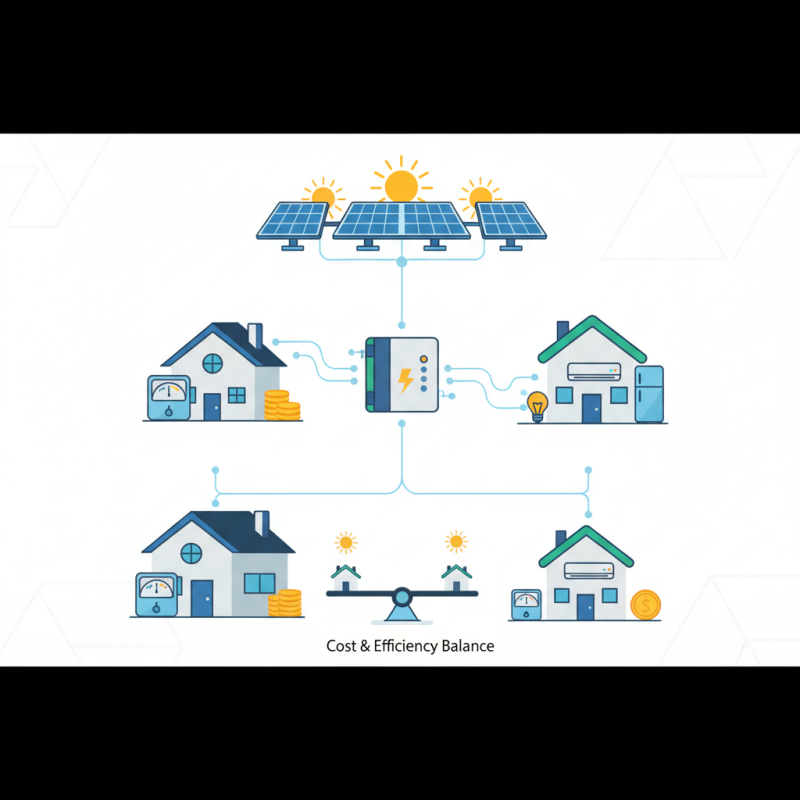
Reports indicate that homes with larger energy demands require more robust inverters, often resulting in higher upfront costs. However, this investment can yield substantial savings over time. Assessing specific needs may reveal that some homeowners oversize their inverters, which can lead to unnecessary expenses. By understanding the balance between cost and efficiency, homeowners can maximize the benefits of their solar energy system.
How to Determine the Right Solar Inverter Size for Your Home?

Understanding Solar Inverter Types and Their Functions

When considering solar inverters, it's essential to understand their types and functions. Solar inverters primarily fall into three categories: string inverters, microinverters, and power optimizers. Each type serves a unique purpose, influencing energy production and system efficiency.

String inverters are the most common. They connect multiple solar panels in a single series circuit. This design is cost-effective but can lead to power losses if one panel is shaded or malfunctioning. Microinverters operate on each panel independently. This gives optimal performance, especially in complex roof layouts. However, they tend to be more expensive. Power optimizers combine features from both types. They optimize the energy output of each solar panel before sending it to a central inverter. This can enhance overall system performance.

Choosing the right inverter requires careful consideration. Assess your roof's orientation and shading. Think about future expansions or changes. Installation can lead to unforeseen issues, like wiring complexities. Consulting with a professional can help navigate these challenges. Balancing costs with performance is vital. Each type offers distinct advantages. Understanding them can be the difference between a system that meets your energy needs and one that doesn’t.

Evaluating Your Home's Energy Consumption Needs

When determining the right solar inverter size, you must evaluate your home's energy consumption. Start by reviewing utility bills from the last year. This gives you insight into your monthly energy use. Make note of seasonal variations. For example, are summers more energy-intensive due to air conditioning?

Consider each appliance's wattage in your home. High-demand devices like refrigerators and HVAC systems should be prioritized. Calculate the total wattage to understand what you need. If the total exceeds your current inverter's capacity, consider a larger model.

What about unexpected power needs? Sometimes, energy consumption can spike. You might have guests, or additional devices might become integrated into your daily life. Anticipating these changes can help you avoid future adjustments. Talk to experts if you're unsure about your calculations. They can guide you through the complexities of solar energy systems and help refine your choices.

Calculating the Required Solar Inverter Capacity

When determining the right solar inverter size for your home, understanding capacity is crucial. Solar inverters convert the direct current (DC) electricity generated by your solar panels into alternating current (AC) electricity for your home. To find the correct inverter capacity, you need to consider your energy needs. Calculate your daily energy usage in kilowatt-hours (kWh). This data helps establish a baseline for your solar inverter size.

Next, consider the peak sunlight hours in your area. A good measure is to multiply your total daily kWh by 1.25. This accounts for inefficiencies and ensures you have enough capacity for your needs. If your inverter is too small, it may not operate efficiently during peak usage times, leading to potential energy loss. A larger inverter might seem appealing, but it can lead to higher costs without a proportional benefit.

Reflections on your energy usage are important. Do you plan to add appliances or expand your consumption? A well-sized inverter not only meets current needs but also allows for future growth. Ensure you factor in seasonal variations as well. Your inverter should handle both extreme highs and lows. Failing to address these details can lead to insufficient power supply or wasted resources.

Considering Future Energy Needs and Expansion Options

When sizing a solar inverter, considering future energy needs is crucial. Homes often expand, with new appliances or additional rooms added over time. Think about future technology. Electric vehicles and smart home devices are becoming more common. This increase in energy demand can outpace your initial solar installation.

One valuable tip is to assess your current power consumption. Look closely at your monthly utility bills. Understand peak usage times and track high-energy appliances. This will help you make informed choices about inverter size.

Another thing to consider is potential expansion. If you plan to add solar panels later, choose an inverter that can handle this increase. Some inverters allow for upgrades in capacity, which can save you from future headaches. Think about flexibility and adaptability in your energy solutions.

Remember, estimating future needs is not an exact science. Energy consumption can fluctuate. Reflect on your lifestyle and growth patterns regularly. Adjusting your solar system may be necessary down the line. Stay informed and proactive to ensure your energy solutions remain effective as your needs grow.

How to Determine the Right Solar Inverter Size for Your Home

This bar chart illustrates the estimated monthly energy production for different solar inverter sizes, helping homeowners understand how to choose the right inverter size based on their current and future energy needs.

Consulting with a Professional for Optimal Sizing Recommendations

When choosing a solar inverter, consulting with a professional is essential. They have extensive expertise in the field and can provide tailored recommendations. An expert will assess your home’s energy needs. They will consider the size of your roof and your local climate. These factors greatly influence the inverter size required.

Having a professional's insight can prevent costly mistakes. For instance, if you underestimate your energy needs, you might end up with an underperforming system. If you overestimate, you could waste money on unnecessary equipment. A detailed evaluation ensures the right fit for your home’s energy consumption patterns.

While DIY resources are available, nothing beats professional advice. A qualified installer can evaluate your energy bills and suggest appropriate inverter sizes. Their knowledge of local regulations and incentives can also guide your decision. This consultation serves not only to meet your immediate needs but also prepares your system for future energy demands as your household grows.

FAQS

: How do I determine the right size of solar inverter for my home?

: Calculate your daily energy usage in kWh. This gives a baseline for sizing your inverter.

What should I consider for peak sunlight hours?

Multiply your total daily kWh by 1.25 to account for inefficiencies and peak usage.

Can a small inverter affect efficiency?

Yes, too small an inverter may lead to energy loss during peak times.

Is a larger inverter always better?

Not necessarily. It can increase costs without proportional benefits.

Why is it important to reflect on energy usage?

Consider future appliance additions or expansion. Energy needs can change over time.

How can I assess my future energy needs?

Review monthly utility bills and monitor high-energy appliances for peak usage.

Should I plan for potential expansion with my inverter?

Yes, choose an inverter that can accommodate future additions of solar panels.

Is consulting a professional necessary?

Yes, professionals can provide tailored recommendations based on your energy needs.

What mistakes can occur without professional advice?

Underestimating needs may lead to underperformance; overestimating wastes money.

How do I stay flexible with my energy solutions?

Regularly assess your lifestyle and growth patterns. Adjust your solar system as needed.

Conclusion

Determining the right solar inverter size for your home is crucial for optimizing solar energy usage. Start by understanding the different types of solar inverters and their specific functions. Next, evaluate your home’s energy consumption by reviewing your utility bills and identifying your peak energy usage. This is essential to calculate solar inverter size for home effectively, as you will need to ensure that the inverter can handle the maximum energy output required.

After evaluating your current needs, consider any future energy requirements, such as potential home expansions or the addition of new appliances. This foresight can prevent the need for resizing your system later. Lastly, consulting with a professional can provide valuable insights and recommendations for optimal sizing, ensuring that your solar inverter is perfectly matched to your energy needs. This comprehensive approach guarantees that you maximize efficiency and performance from your solar energy system.

Sienna

Sienna

Sienna is a skilled marketing professional with a deep expertise in our company’s core products and services. With a passion for innovation and detail, she plays a pivotal role in crafting insightful blog posts that not only highlight the unique features of our offerings but also provide valuable......